⭐⭐⭐⭐⭐930+ Happy Customer Reviews

Sprinkler Valve Box Full of Water

Sprinkler Valve Box Full of Water? Causes & Fixes

irrigation and sprinkler logo

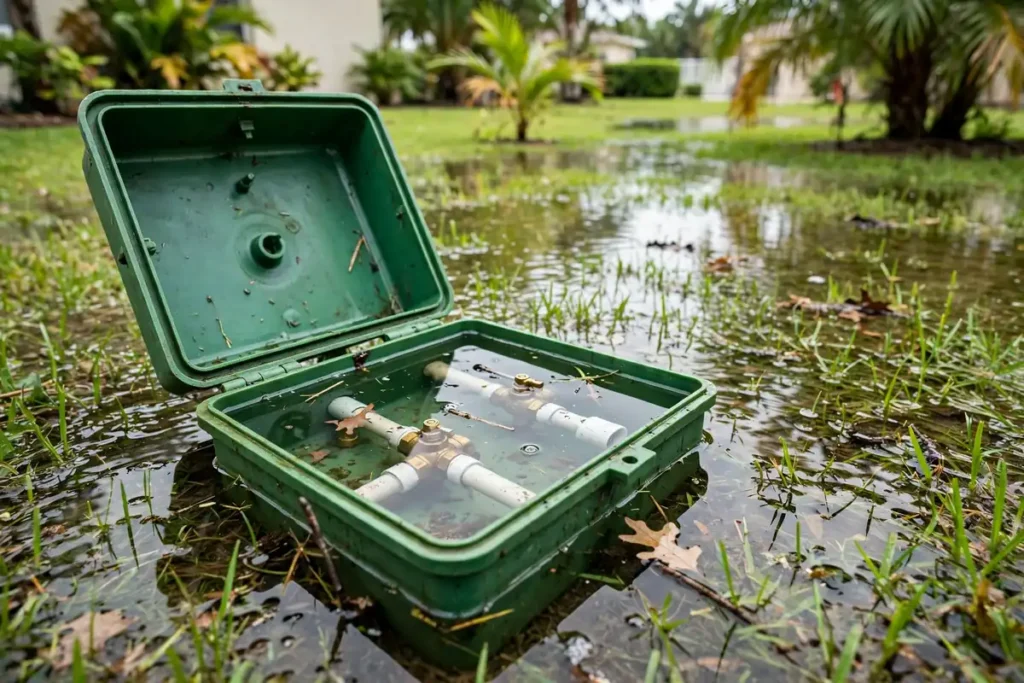
You lift the lid of your sprinkler valve box and find it full of water. Is something broken — or is that normal? A valve box full of water is one of the most common things Florida homeowners discover, and the answer matters: sometimes it’s harmless rainwater, and sometimes it’s a leak silently running up your water bill every single day. Here’s how to tell the difference and what to do about it.

Is It Normal for a Valve Box to Have Water in It?

Sometimes, yes — briefly. After heavy rain or an irrigation cycle, a little water can collect in a valve box sitting in a low spot, and it usually drains away within a day or two. That’s harmless.


What’s not normal: a box that’s still full 48 hours after the last rain or watering cycle, water that refills after you bail it out, or water flowing when the system is off. Those all point to an active leak — a valve that won’t seal, a cracked fitting, or a broken pipe — and leaks don’t fix themselves. In Florida’s high water table areas, a constantly full box can also mask a real leak, so the test below matters even more here.

The 48-Hour Test: Leak or Just Rainwater?

Before touching anything, do this simple test — it takes two minutes and tells you exactly what you’re dealing with:


  • Bail or pump the water out of the box (a cup or small pump works fine).
  • Turn the irrigation system completely off — not just the controller schedule, but the main shutoff if you can.
  • Wait 48 hours with no rain and no watering, then check the box.


Box is dry? It was rainwater or irrigation runoff collecting in a low spot — annoying, but not an emergency. See the prevention section below. Water is back? You have an active leak. The water is coming from somewhere pressurized, and every hour it runs costs you money. Read on for the five causes, in order of likelihood.

5 Causes of Water in a Sprinkler Valve Box

These five causes cover nearly every flooded valve box we see in Palm Coast and Flagler County. They’re listed from most to least common.

Cause 1: A Leaking Valve (Worn Diaphragm or Debris)

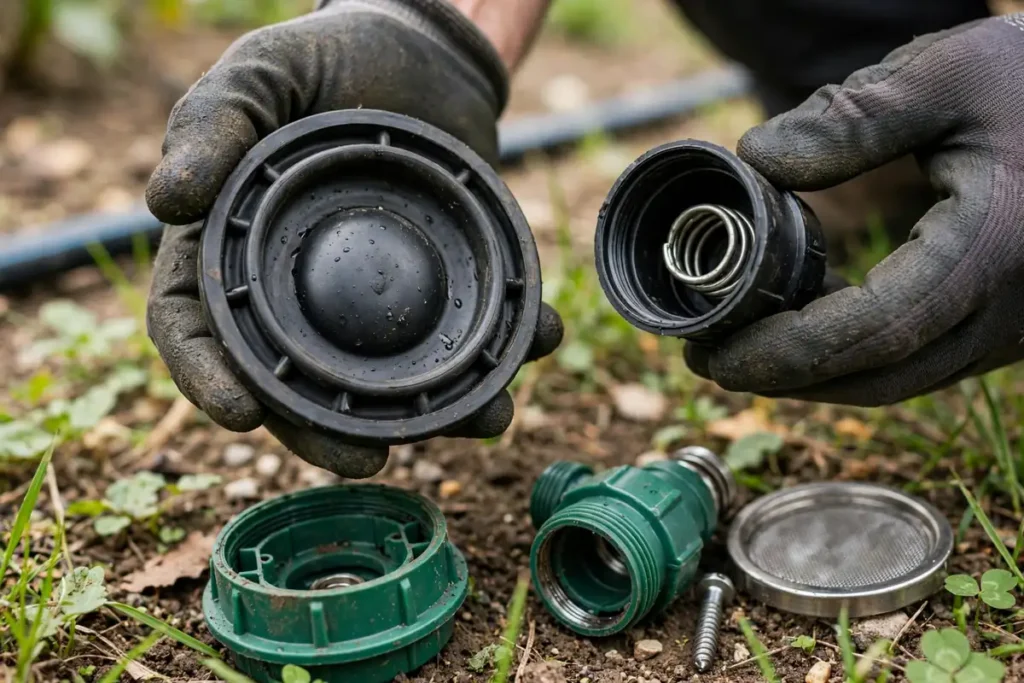
This is the number one cause. Inside every zone valve is a rubber diaphragm that seals water flow shut. Over time that diaphragm wears, cracks, or gets grit stuck in it — and then water seeps through 24/7, even with the system off. You’ll often notice one zone’s heads weeping or dribbling long after the cycle ends, and your water bill creeping up.


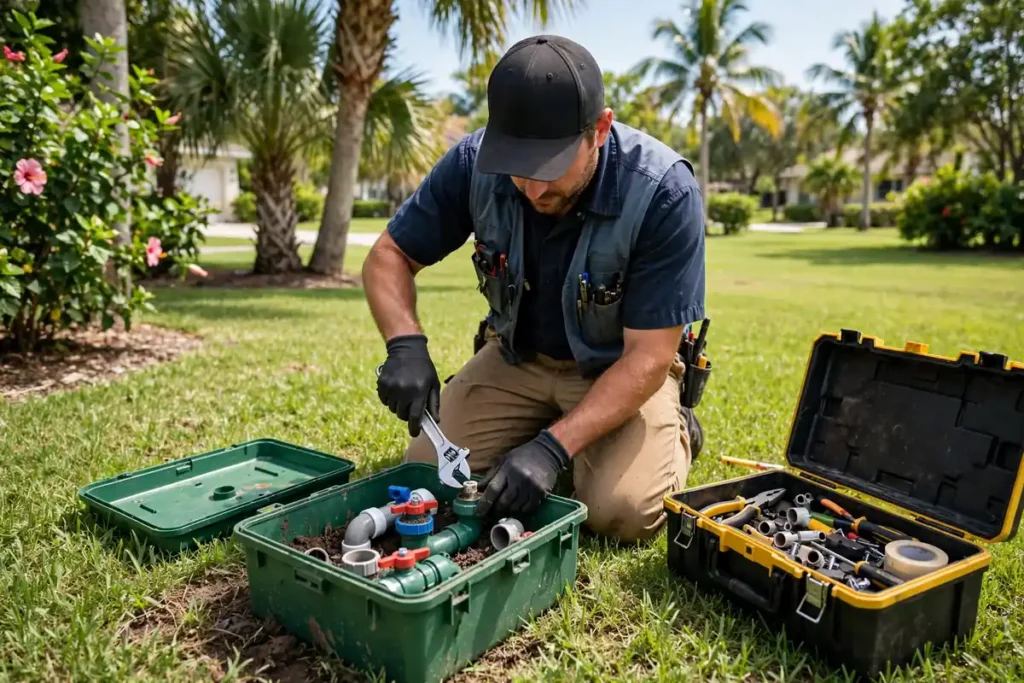
A valve rebuild kit costs $15–$30 and takes a handy homeowner about 30 minutes: shut off the water, open the valve bonnet, swap the diaphragm and clean the seat. If the valve body itself is cracked, the whole valve needs replacing — that’s usually a pro job because it involves cutting pipe.

Cause 2: A Broken Pipe Near the Box

The second most common cause, and the one that wastes the most water. Here’s how to tell which side broke: a break on the mainline side (before the valve) leaks constantly, even with the system off. A break on the lateral side (after the valve) only leaks when that zone runs.

Constant leak with the system off? Suspect the mainline or a fitting right at the valve. Leak only during watering? It’s downstream. Either way, underground pipe repair means locating the break, digging it up, and mending it — see our low water pressure guide, since pipe leaks are also the top cause of weak zones.

Cause 3: Rain or Irrigation Water Pooling in a Low Spot

Valve boxes installed in the lowest part of a yard become accidental catch basins. Every rain and every irrigation cycle sends water flowing downhill — right into the box. The box fills, the water sits, and the valves soak in it for days.


This is the benign cause, but it’s still worth fixing: valves sitting in standing water corrode faster, solenoids fail sooner, and wire connections rot. The fix is grading soil away from the box, raising the box an inch or two above grade, and adding a gravel base underneath so water drains instead of pooling.

Cause 4: High Water Table (Very Common in Florida)

Parts of Palm Coast and Flagler County sit on a water table that’s just inches below the surface, especially in the rainy season. Dig a hole and it fills on its own — valve boxes included. If your box refills with clear, still water even with the irrigation main shut off and no rain, groundwater is the likely culprit.


You can’t lower the water table, but you can live with it: keep wire connections waterproof (grease-filled wire nuts), use a gravel base for drainage, and make sure the box lid seals well. The key is distinguishing groundwater from a pressurized leak — that’s exactly what the 48-hour test with the main shut off tells you.

Cause 5: A Valve Stuck Open

Sometimes the valve isn’t leaking — it’s fully stuck open. Debris jammed in the mechanism, a failed solenoid, or a manual bleed screw left open will run a zone nonstop. You’ll know: one zone’s heads run constantly, or you hear water flowing through the valve when everything should be off.


Try closing the manual bleed screw first (a quarter-turn is all it takes), then operate the valve manually at the box. If it won’t close, the solenoid or diaphragm needs attention — same repair path as Cause 1. A zone stuck open can waste thousands of gallons in a single day, so don’t wait on this one.

Step 5: Shut down the controller

Switch the controller to rain mode or off — don’t just unplug it. Rain mode keeps the programming intact for spring and, on smart controllers, still allows freeze-protection features to function. If your controller has a rain sensor (required by Florida law on systems installed after 1991), confirm it’s active; it’s your backup against a surprise warm-week watering cycle.

How to Drain a Valve Box Safely

Bailing out a valve box is simple, but do it right: turn off the irrigation water first so you’re not fighting an active leak while you work. Scoop or pump the water out, then let the box air out for an hour before touching any wiring — wet wire connections and 24-volt solenoids deserve respect, even at low voltage.


While it’s empty, take the opportunity to inspect: look for cracked valve bodies, green corrosion on wire nuts, and sediment packed around the valves. What you see now tells you what to fix before the next flood.

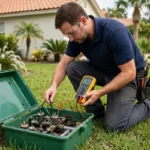
technician repairing valve box florida

Why This Happens More in Florida

Florida stacks the deck against valve boxes. Sandy soil collapses and settles, leaving boxes sitting in new low spots within a couple of seasons. Afternoon downpours dump inches of water in an hour. The high water table in coastal Flagler County means some boxes are fighting groundwater year-round. And because systems here run 12 months a year instead of 6, diaphragms and seals wear out roughly twice as fast as the national averages assume.


The practical fix Florida pros swear by: set every valve box on 3–4 inches of gravel, keep the lid an inch above surrounding grade, and waterproof every wire connection. Those three habits prevent most flooded-box callbacks.

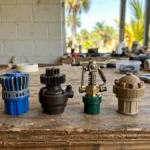
sprinkler-valve parts

3 Signs You Should Call a Pro Instead

Sign 1: The Box Refills With the Water Shut Off

If you’ve closed the irrigation main and the box still refills, you’re likely dealing with a mainline break before the shutoff, a groundwater situation that needs drainage work, or a leak you can’t see. Finding a buried mainline leak takes acoustic equipment or systematic isolation testing — guessing with a shovel gets expensive and messy fast.

Sign 2: Multiple Boxes Are Flooding

One flooded box is a valve or fitting problem. Several flooding at once points to a mainline break, a failed backflow preventer, or a system-wide pressure issue. That’s diagnostic work, not a parts swap — and every day it runs, the water bill climbs. Our sprinkler repair cost guide for Northeast Florida covers what these repairs typically run.

Sign 3: You See Wiring Damage or Corrosion

Green, crusty wire nuts or nicked valve wires inside a flooded box are a red flag. Bad connections cause zones to stick on, fail to run, or behave erratically — and miswiring a 24-volt system can fry a controller. If the wiring looks compromised, let a technician handle it; the diagnostic alone is worth the visit.

How Much Does Valve and Pipe Repair Cost in Florida?

Typical Flagler County ranges: a DIY valve diaphragm rebuild runs $15–$30 in parts; a full valve replacement by a pro is usually $150–$300 including parts and labor. Underground pipe repairs run $100–$250 for an accessible lateral break, more for deep mainline work. A standard service visit with diagnosis is typically $75–$150 — and it pays for itself when the alternative is replacing parts blindly while the leak keeps running.

Preventing Water in Your Valve Box

Once you’ve fixed the current problem, keep it from coming back: set boxes on a gravel base for drainage, keep lids an inch above grade so surface water runs past instead of in, regrade any soil sloping toward the box, and waterproof every wire connection with grease-filled nuts. Check boxes twice a year — at spring startup and mid-summer — and you’ll catch the next weeping valve before it becomes a swimming pool. And if heads elsewhere are acting up too, see our guide on sprinkler heads that won’t pop up, since valve problems cause those as well.

Frequently Asked Questions

Valve Box Full of Water in Palm Coast? We'll Diagnose It Today

A flooded valve box is either harmless — or a leak costing you money every hour. The 48-hour test tells you which, but if water keeps coming back with the system off, don’t wait: every day of leaking is water (and money) you’ll never get back.

Call us at (386) 237-2983 — we handle sprinkler repair across Palm Coast and Flagler County every day: leaking valves, broken pipes, stuck zones, and flooded boxes. One visit, honest diagnosis, clear price.

Can a valve box be full of water and still be okay?

Yes, temporarily — after heavy rain or an irrigation cycle, water can collect in a box sitting in a low spot and drain away within a day or two. If the box is still full 48 hours later with no rain or watering, that’s not normal and points to a leak.

How do I know if my sprinkler valve is leaking?

The classic signs: the valve box refills after you bail it out with the system off, a zone’s heads weep or dribble long after the cycle ends, and your water bill climbs without explanation. A worn diaphragm or debris in the valve is the usual culprit.

Should I be worried about water in my valve box?

Standing water itself isn’t an emergency, but what causes it might be. A constantly refilling box means an active leak wasting water around the clock. Even benign pooling shortens valve and solenoid life through corrosion, so it’s worth addressing either way.

Can I fix a leaking sprinkler valve myself?

Often, yes — a diaphragm rebuild kit costs $15–$30 and takes about 30 minutes if you’re comfortable shutting off the water and opening the valve. Call a pro if the valve body is cracked, multiple boxes are flooding, or you see damaged wiring.

Why does my valve box fill up every time it rains?

The box is sitting in a low spot and acting as a catch basin. Fix it by raising the box an inch above grade, grading soil away from it, and setting it on a gravel base so water drains instead of pooling.

How much does it cost to fix a flooded valve box?

It depends on the cause: a DIY diaphragm rebuild is $15–$30 in parts, a pro valve replacement runs $150–$300, and pipe repairs run $100–$250 for accessible breaks. A diagnostic service visit in Florida is typically $75–$150.

Facebook
X
WhatsApp