⭐⭐⭐⭐⭐930+ Happy Customer Reviews

How Much Does Sprinkler Repair Cost in Northeast Florida?

Sprinkler repair costs in Flagler, Volusia, and St. Johns counties vary mostly by what’s actually broken, not by who you call. A head replacement and a backflow preventer failure are both “sprinkler repairs,” but they sit at opposite ends of the price range. Here’s what each type of repair typically runs, what pushes a job toward the higher end, and how to tell whether repair or replacement makes more sense on an older system.

Average Sprinkler Repair Cost by Type

The ranges below cover the most common repair calls. Actual cost depends on parts, how accessible the damaged component is, and whether the issue is isolated or has already affected other zones.

Sprinkler head replacement$15 and $40
Valve repair/replacement$150 to $400
Backflow preventer repair$100 and $400
Controller/wiring repair$105 and $510
Pipe/leak repair$150 and $2,500

Sprinkler repair costs in Flagler, Volusia, and St. Johns counties vary mostly by what’s actually broken, not by who you call. A head replacement and a backflow preventer failure are both “sprinkler repairs,” but they sit at opposite ends of the price range. Here’s what each type of repair typically runs, what pushes a job toward the higher end, and how to tell whether repair or replacement makes more sense on an older system.

Sprinkler Head Replacement

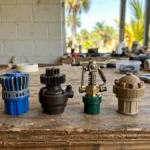
A head that’s cracked, clogged, or run over by a mower is the single most common repair call. Cost depends mainly on head type — a basic pop-up spray head is the least expensive fix, while replacing a rotor head or a pressure-regulated nozzle costs more for the part alone. Typical range: $15 and $40.

Valve Repair & Replacement

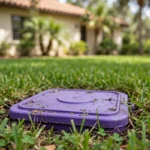
A valve that won’t fully open shows up as a zone that barely runs; one that won’t fully close shows up as water trickling out long after the cycle should have ended. Because valves sit underground in a valve box, part of the cost is digging down to reach it rather than the part itself. Typical range: $150 to $400.

Backflow Preventer Repair

The backflow preventer keeps anything in the irrigation line from siphoning back into the drinking water supply, which is why it’s regulated separately from the rest of the system. A failed device usually means both a replacement part and a re-certification test, which is why this tends to be the most expensive single-component repair on the list. Typical range: $100 and $400.

Controller & Wiring Issues

A controller that won’t hold a schedule, or a zone that won’t turn on even though the valve itself is fine, usually points to wiring — either a bad connection at the valve or damage somewhere along the run. Simple reprogramming or a battery swap costs little; tracing a cut wire underground costs more. Typical range: $105 and $510.

Pipe & Leak Repair

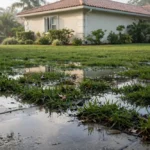
A wet spot that never dries, or a patch of lawn that’s suddenly greener than the rest, is the usual sign of a buried leak. Cost depends on how deep the pipe sits and how far it is from the nearest access point — a leak near a valve box is a quick fix, while one in the middle of a lawn means more digging. Typical range: $150 and $2,500.

What Affects Your Final Price

Beyond the repair type itself, a few things reliably move the price: how accessible the damaged part is (under pavers or dense landscaping costs more than open lawn), how many zones are affected, whether it’s an isolated issue or a symptom of a bigger problem, and how urgent the call is. A slow leak that’s been running for months usually costs more to fix than the same leak caught in its first week, since it’s had time to affect more of the system around it. Regular system maintenance catches most of these early, before they turn into a bigger repair bill.

Repair vs. Full System Replacement: When Each Makes Sense

A single repair on an otherwise healthy system almost always makes sense. The harder call is an older system where repairs keep stacking up — a new valve this spring, a controller last fall, a head every few months. At that point the math often flips: continuing to patch an aging system piece by piece can cost more over a year or two than a full redesign or new installation would.


As a rough guide: if a system is under ten years old and the damage is limited to one component, repair it. If it’s older, or you’ve had three or more separate repair calls in the past year, it’s worth getting a straight answer on whether replacement pays for itself.

Can I Test My System on a Non-Watering Day After a Repair?

Yes — and this is one of the more useful exceptions in SJRWMD’s Phase III order that most homeowners don’t know about. Repair and system testing are allowed on any day, for up to 20 minutes per zone per hour, separate from your assigned once-a-week watering day. That means you don’t have to wait until your scheduled day just to confirm a repair actually worked.


Keep a rough note of when you tested and for how long — if a neighbor or code enforcement ever questions why your system ran outside the usual schedule, that’s the exception you’re covered under.

Why Response Time Matters as Much as Price

Two companies can quote the same price for the same repair and still leave you with very different experiences, because the quote doesn’t tell you how long you’ll wait for the appointment. A leaking valve or a stuck-open zone wastes water every single day it goes unfixed — the cheapest quote isn’t actually cheaper if it comes with a two-week wait.


We schedule repair calls within 24 to 48 hours for exactly this reason. Irrigation is all we do, so a repair call doesn’t have to wait behind a mowing schedule or a full-service landscaping queue.

Frequently Asked Questions

How much does it cost to repair a sprinkler system in Florida?

It depends heavily on what’s actually wrong. A single head replacement is inexpensive, while a backflow preventer replacement or a major line break costs considerably more. See the breakdown above by repair type for a closer estimate.

What’s the most expensive sprinkler repair?

Backflow preventer replacement is typically the most expensive single repair, since it involves both the device and required testing/certification. A major mainline break that requires digging runs a close second.

Can I run my sprinklers to test a repair if it’s not my watering day?

Yes. SJRWMD’s Phase III order allows brief runs for repair and system testing on any day, up to 20 minutes per zone per hour — separate from your assigned watering day. This exception exists specifically for situations like confirming a repair actually fixed the problem.

Is it better to repair or replace an old sprinkler system?

If a system is under roughly ten years old and the damage is isolated to one component, repair usually makes more sense. Once repairs start stacking up across multiple zones on an older system, a full redesign often costs less over time than continuing to patch it piece by piece.
How fast can a sprinkler repair company usually get to a leak?

It varies a lot by company and season, especially heading into spring when everyone’s system gets tested at once. Ask about actual response time before you book — a quote that looks good on paper doesn’t help if the appointment is weeks out.

Facebook
X
WhatsApp